
Trinity Theatre’s latest production took on Keith Waterhouse’s Billy Liar, the 1960s classic about small-town dreams, deceit, and the urge to escape. Often billed as a comedy, this version leaned more towards the poignant than the playful, offering a thoughtful and sometimes sombre take on the familiar tale.
Set in a modest Yorkshire household in the 1960’s, the play follows Billy Fisher, a young man bored by his job, frustrated with his family, and trapped by his own imagination. Rather than playing up the humour in Billy’s tall tales, Trinity Theatre’s production focused on the emotional undercurrent: the loneliness, restlessness, and quiet desperation of a young man caught between fantasy and reality, and the palpable disconnect between the spanning generations living under the same roof.
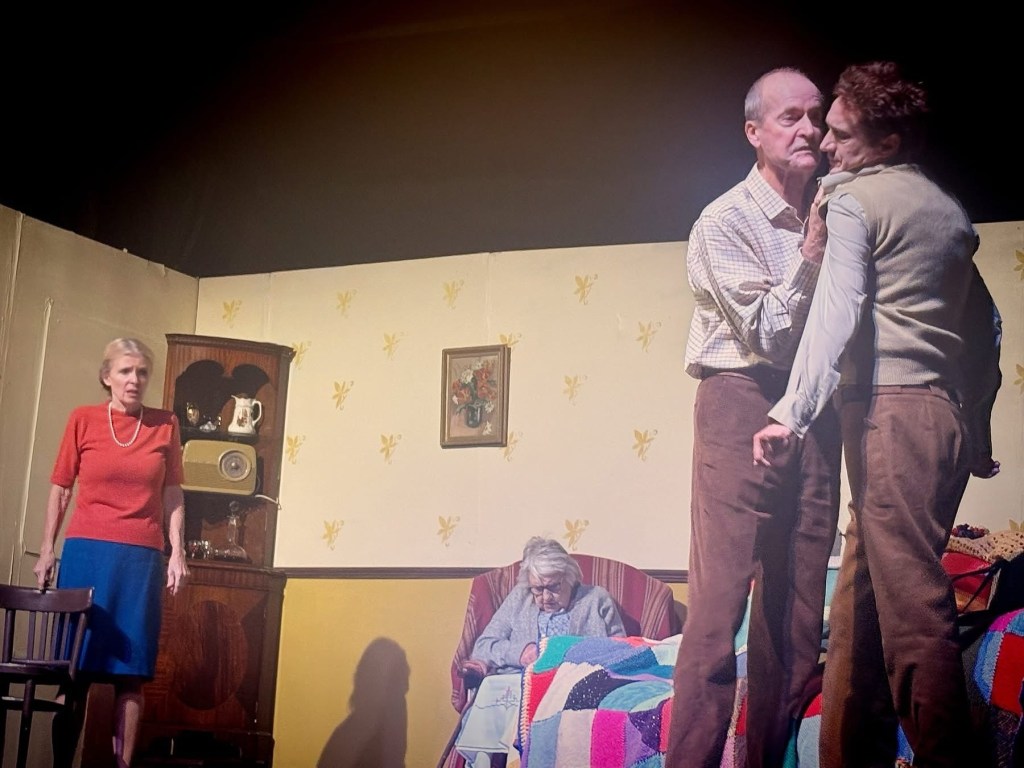
Julian Gabriel Clarke gave a sensitive performance as Billy, bringing out his confusion and longing more than his mischief. The result was a character less of a comic dreamer and more of a tragic figure, and that choice shaped the tone of the whole evening. Kevin Wilson and Lorna Wilson, as Billy’s weary parents, handled their roles with conviction, particularly in their Act 2 scenes that revealed just how fragile their home life had become, giving a glimpse into the stark differences between how men were expected to act 60 years ago compared to today’s acceptance.

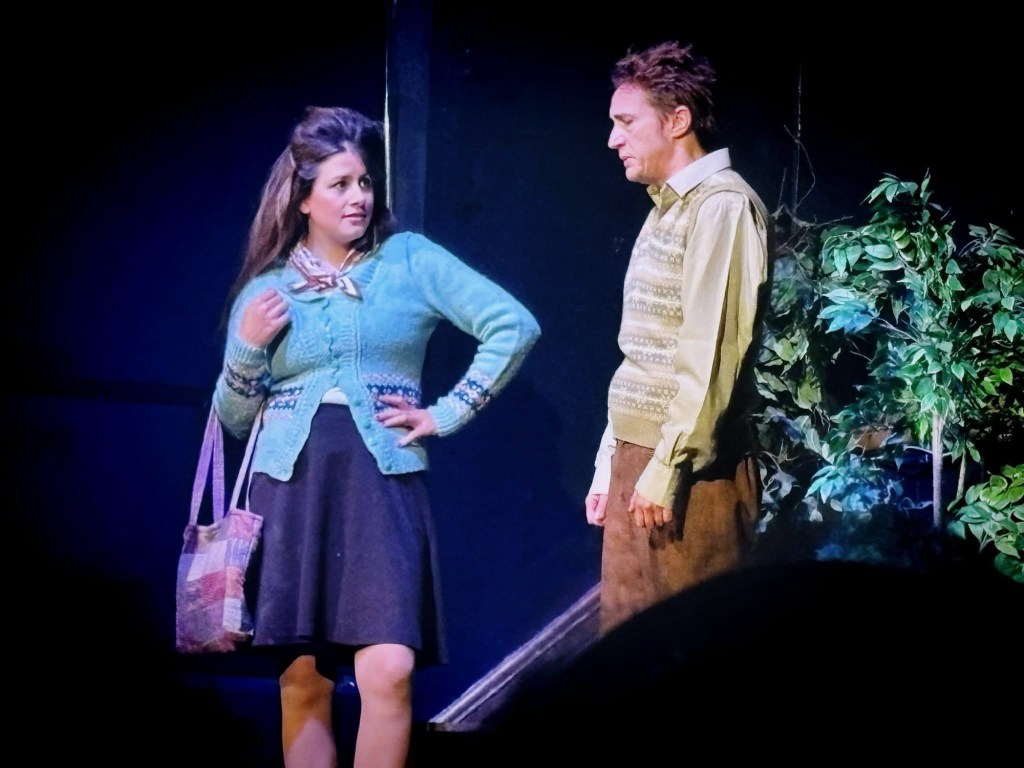
The supporting cast worked well together, though the pacing occasionally felt uneven; some scenes lingered a little too long while others could have used a lighter touch. Still, there was clear commitment from the ensemble, and their sincerity helped carry the story. I particularly liked Rebecca Lennon’s portrayal of Rita, bringing some much-needed chuckles throughout the audience with her snappy retorts.
Whilst the original story is set in northern Britain, the cast weren’t always successful in maintaining these accents which unfortunately led to some of the lines being lost and a distraction from the story itself.
The set design and props were impressively detailed, conjuring up the look and feel of a 1960s northern living room, complete with period touches that grounded the play in its time. Making use of all available space, whilst also incorporating the auditorium for entrances was a clever choice. The costumes further added to the aesthetic.
Though the laughs were fewer than one might expect from Billy Liar, Trinity Theatre’s interpretation found a quiet strength in its seriousness. It served as a reminder that behind the humour of Waterhouse’s script lies a melancholy truth about youth, ambition, and the fear of standing still.
A sincere and reflective production, offering more heart than humour — and showcasing once again Trinity Theatre’s commitment to thoughtful local theatre.
Reviewed by Bryony Bishop
 IWtheatre