
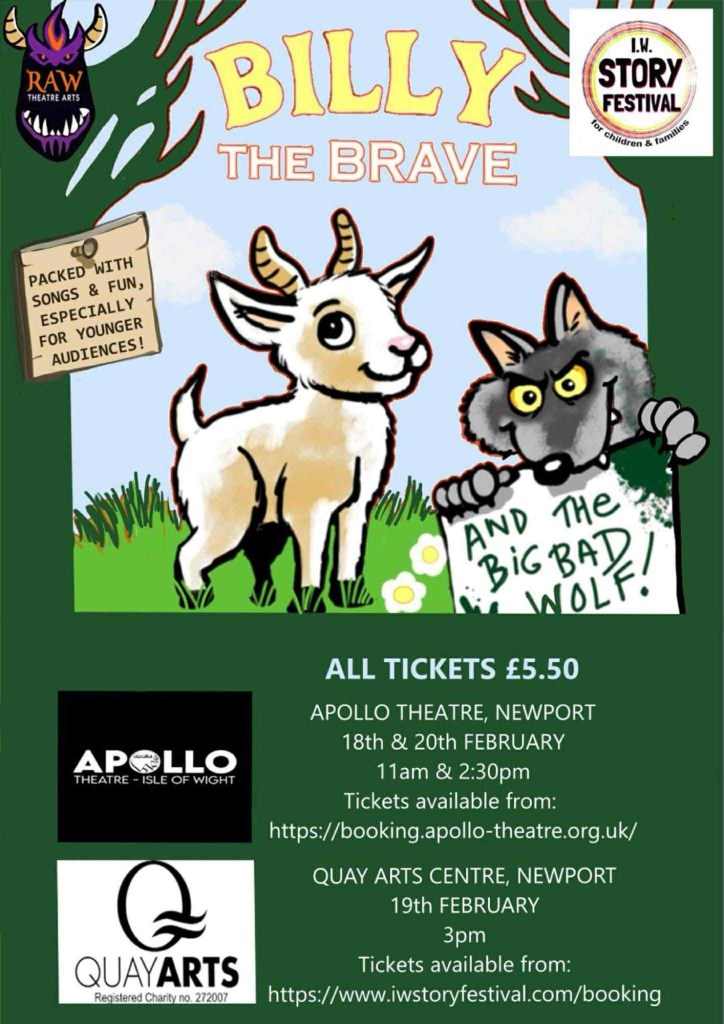
There is something deeply heartening about watching young people take to the stage and make it wholly their own. Raw Theatre Art’s production of Billy the Brave was a fine example of that rare and precious thing: children not simply performing a story, but building it from the soil up.
Set against the lively rural backdrop of Magnolia Farm, the story allows courage, cunning and community to flourish. The tale itself is delightfully classic: a young goat, isolated and vulnerable, outwits a wolf with the steadfast support of her friends and family. It is the sort of story that has been told for generations around hearths and hay bales alike, and for good reason. It works.
It feels almost unfair to single out individuals when the entire cast performed so well. The list below, complete with roles and ages, speaks volumes about just how much these young performers contributed. Each actor created a distinct character and, perhaps most importantly, appeared genuinely to be enjoying the experience. That joy is contagious. Still, the central trio of goats (Billy, Milly and Dilly) and the Big Bad Wolf shared some particularly strong moments together.
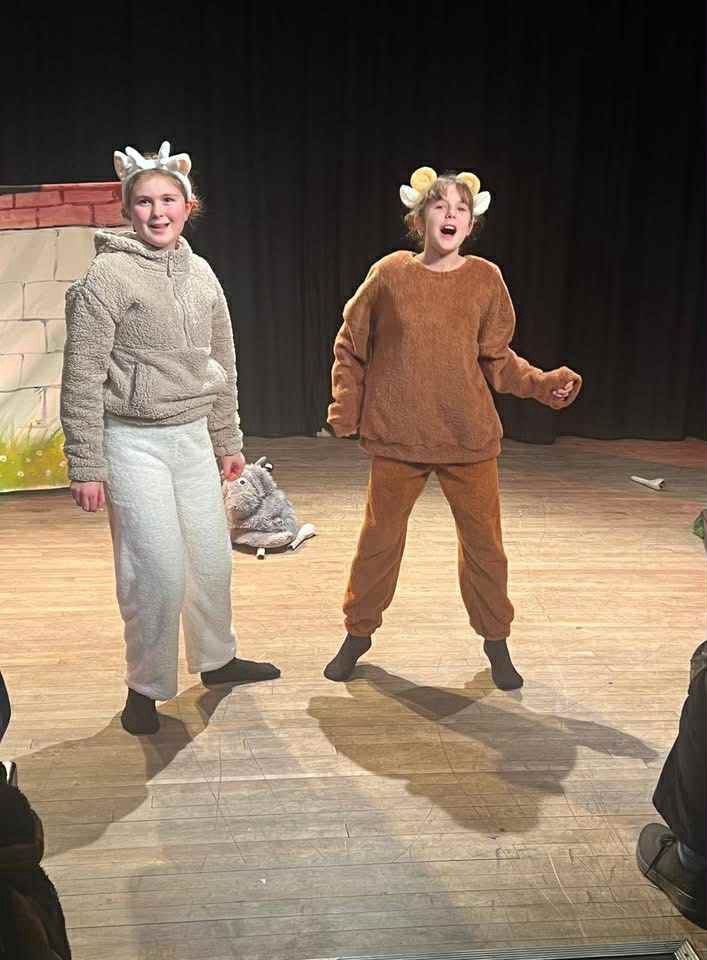
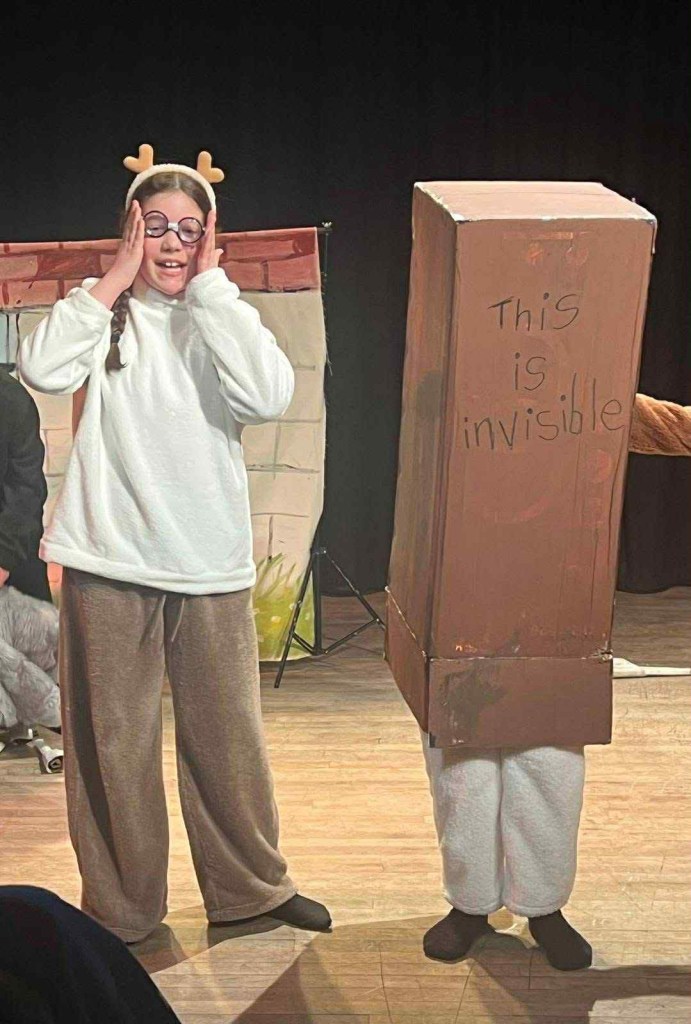
In the title role, Tess Crockford displayed a promising stage presence well beyond her years. Tabatha Steele brought warmth and sincerity to Milly, especially in the emotional beats of the shared musical number. Lyra Penman, as Dilly, provided support and balance, along with a streak of existential curiosity that gave Billy pause for thought. Dilly’s scientific and philosophical musings: “Is a goat still a goat when it is half full of grass? Half goat, half grass?”, had the herd metaphorically stroking their beards and scratching their horns.
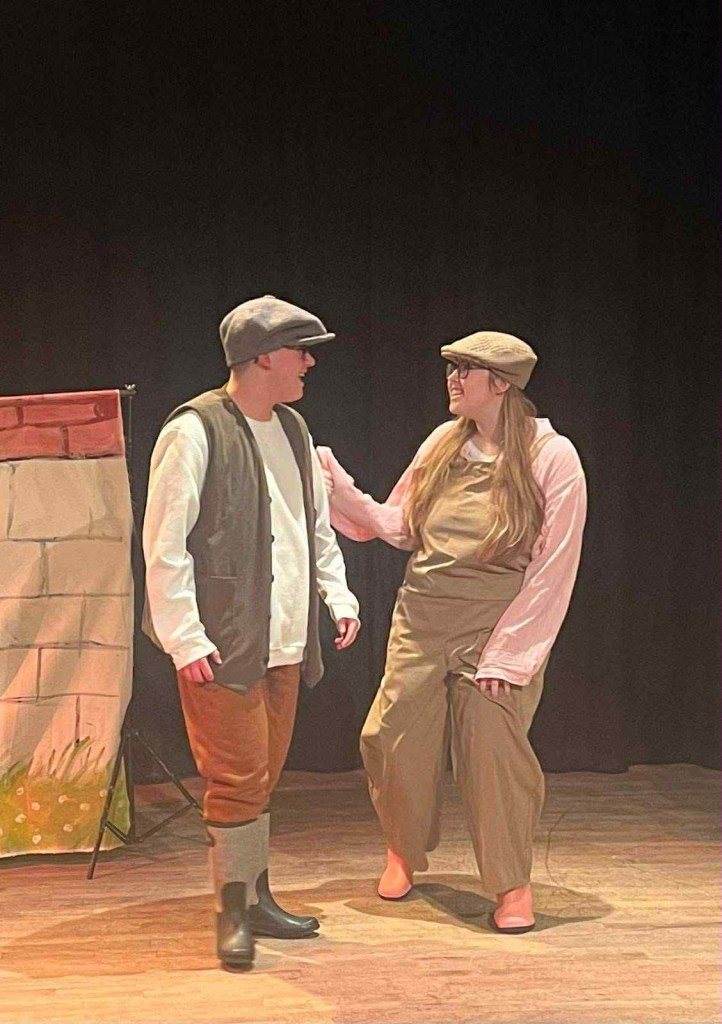
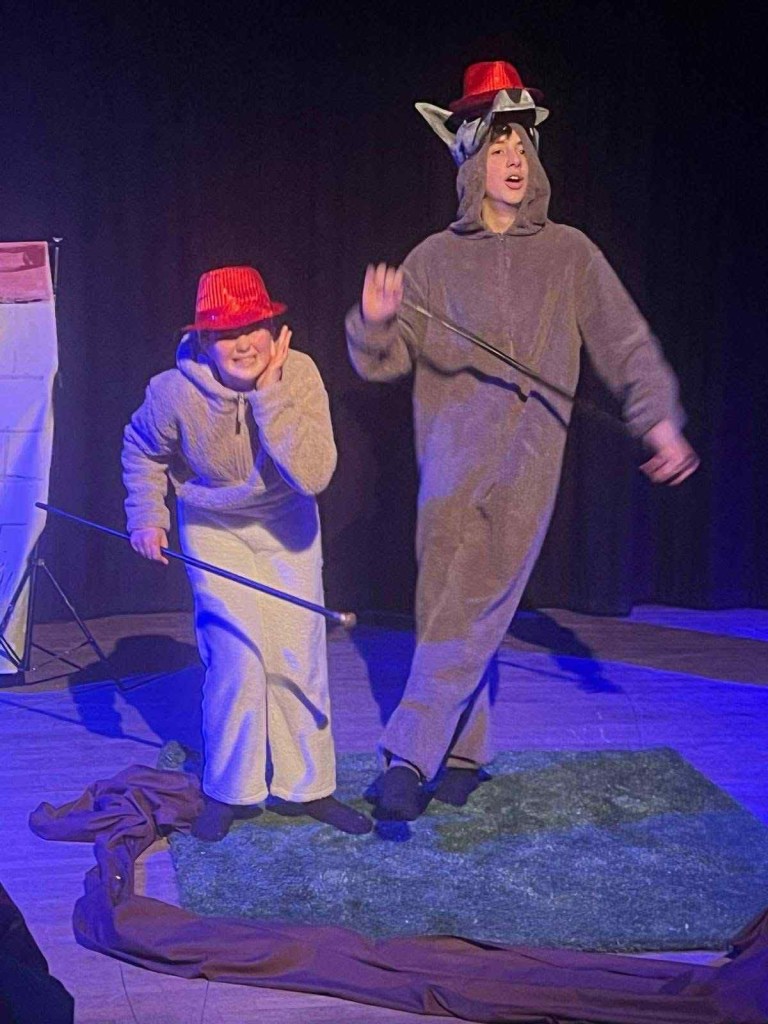
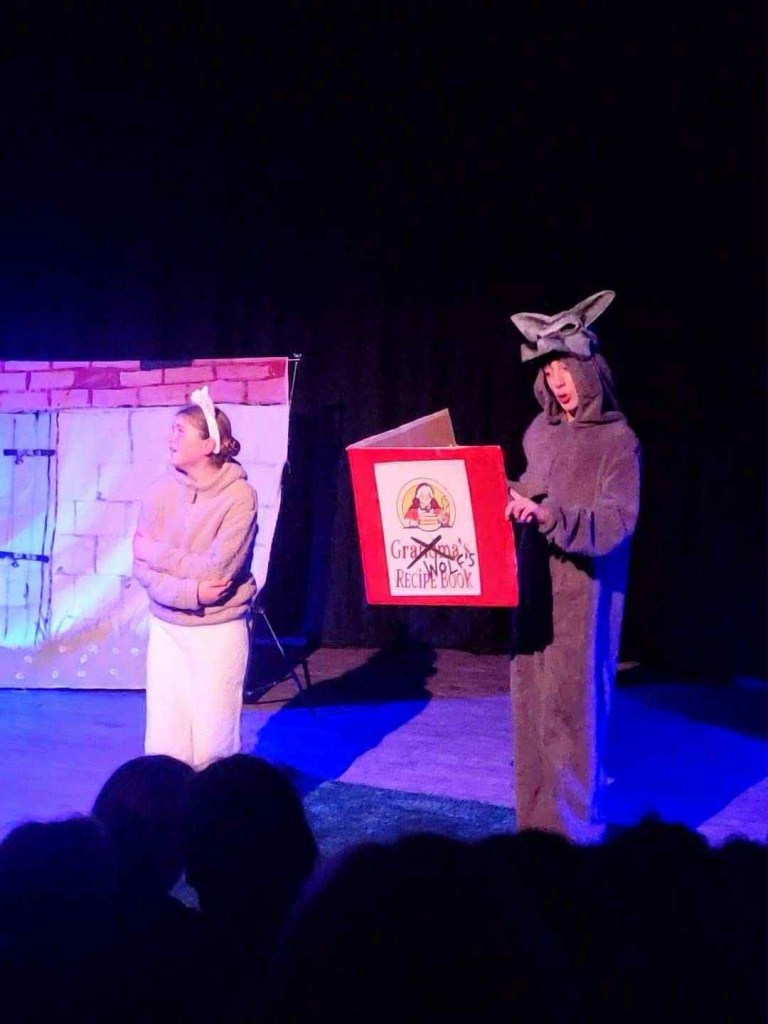
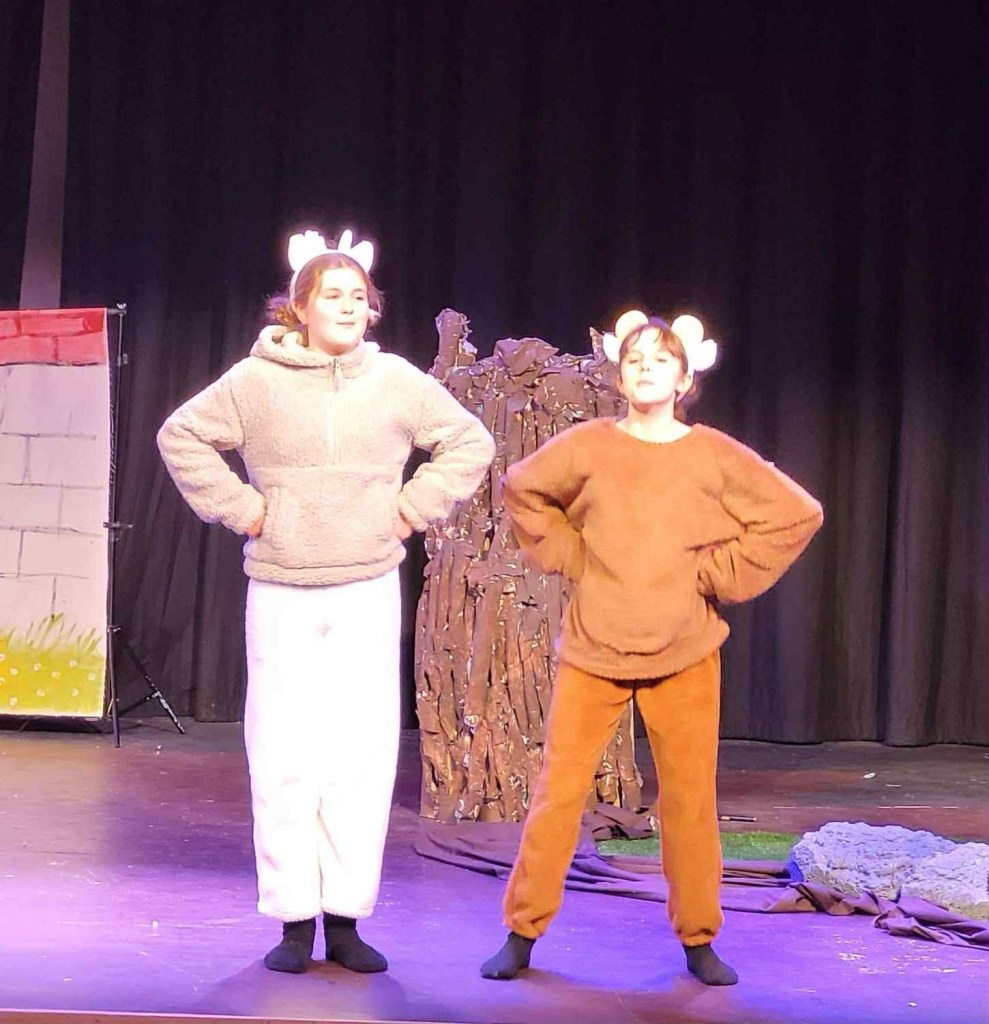
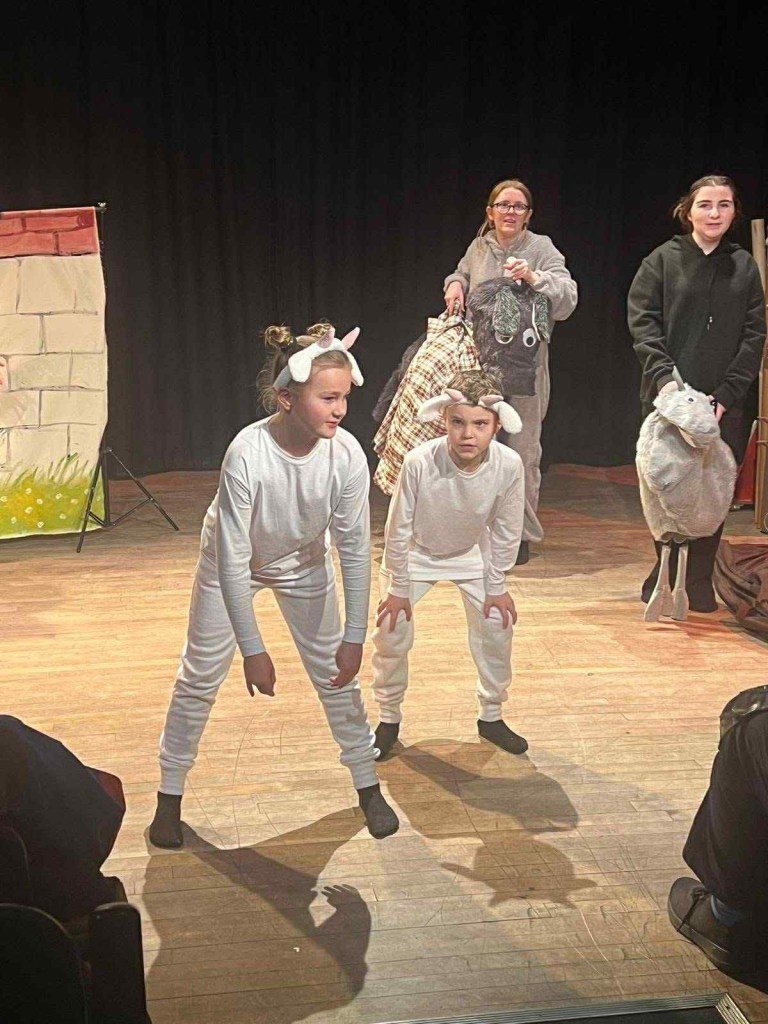
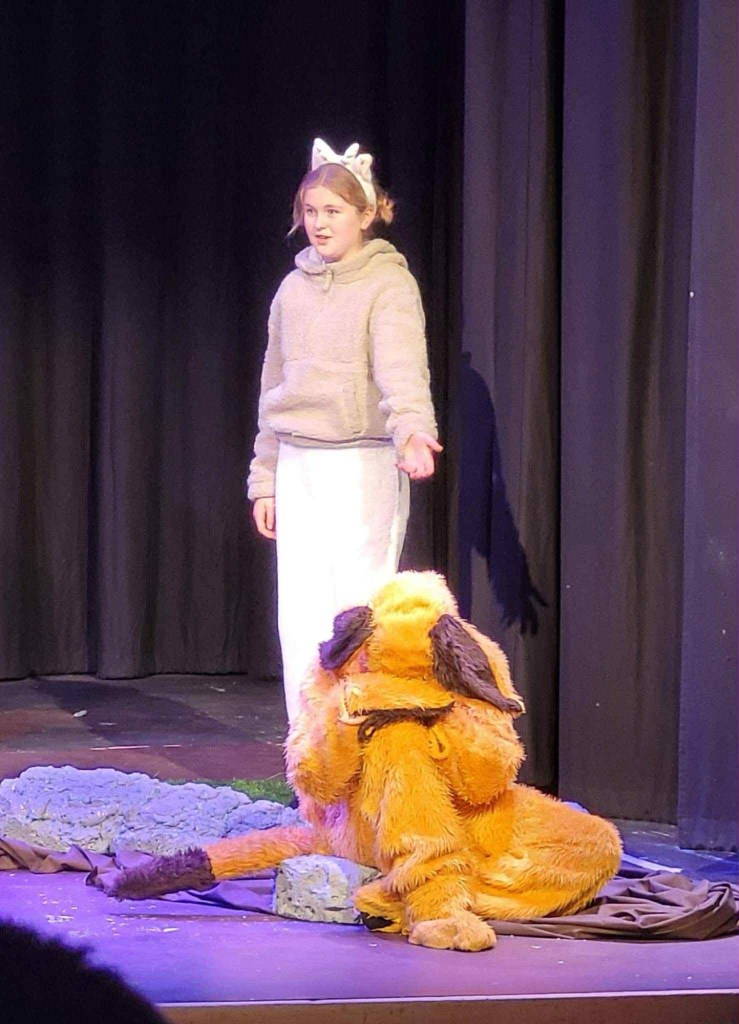
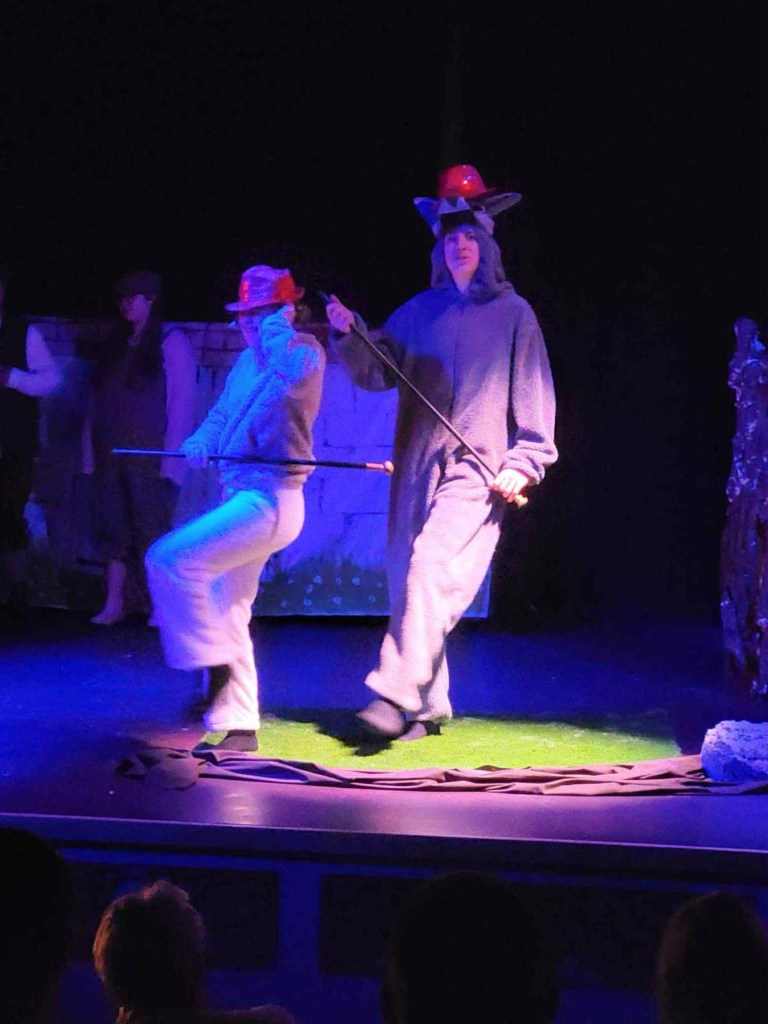
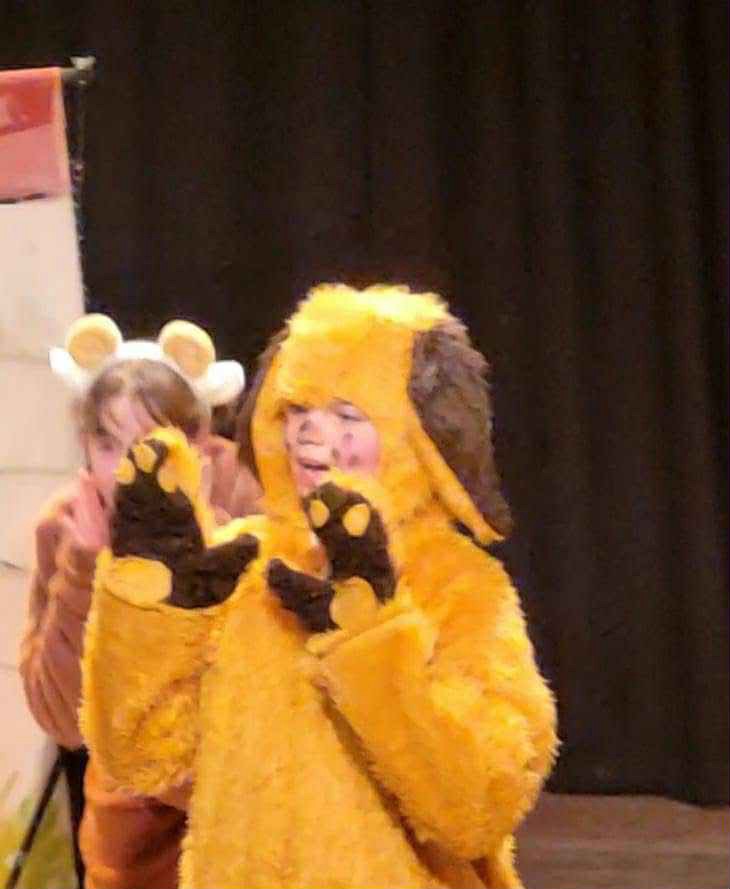
Dominic Craggs deserves special mention for his portrayal of the Wolf. It takes genuine skill, and considerable confidence, to sing badly on purpose and to do so with comic precision. His performance leaned joyfully into the pantomime tradition, and the audience responded in kind, booing enthusiastically at all the right moments.
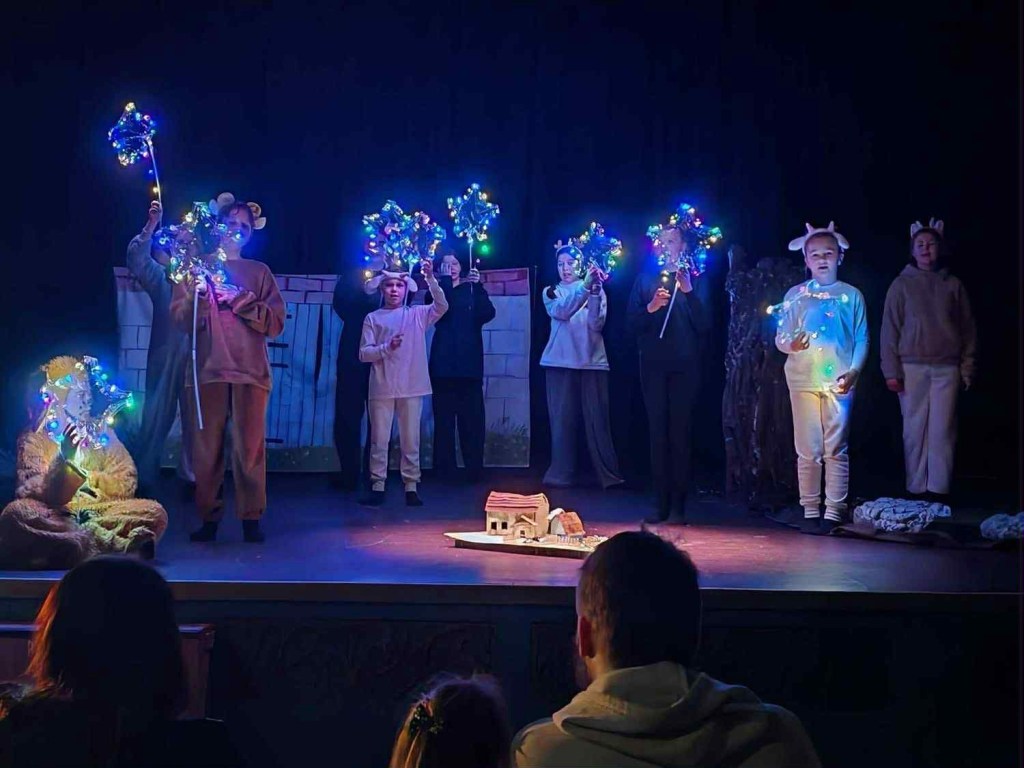
One particularly charming moment came as night fell over the farm. A model of Magnolia Farm to suggest distance, combined with the simple yet effective use of a torch to create a crescent moon, produced a scene that was both eerie and serene. It was a reminder that imagination, thoughtfully applied, can be more powerful than the most elaborate effects.
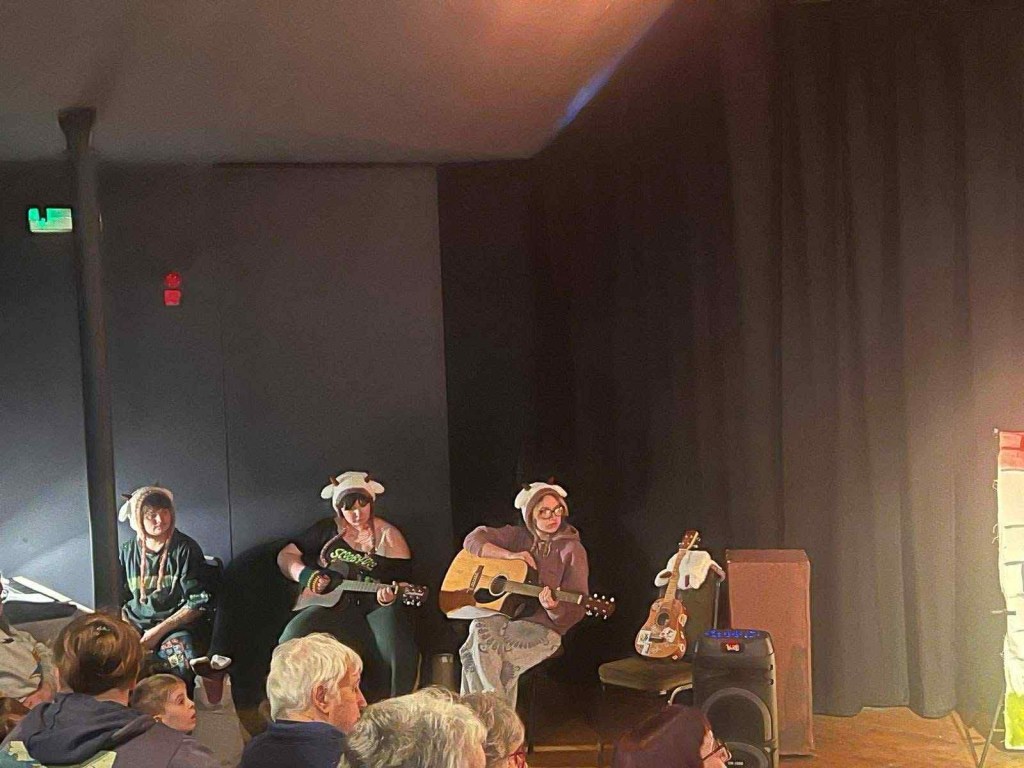
The band deserve their own round of applause. Sporting goat hats, reacting to the action and joining in the singing, they were not hidden away but fully integrated into the storytelling. Their playing supported the performers with sensitivity and energy. At times, microphones may have helped the musical numbers project a little further; however, the spoken dialogue was delivered with excellent clarity and diction throughout. Not a single line was lost in the long grass.
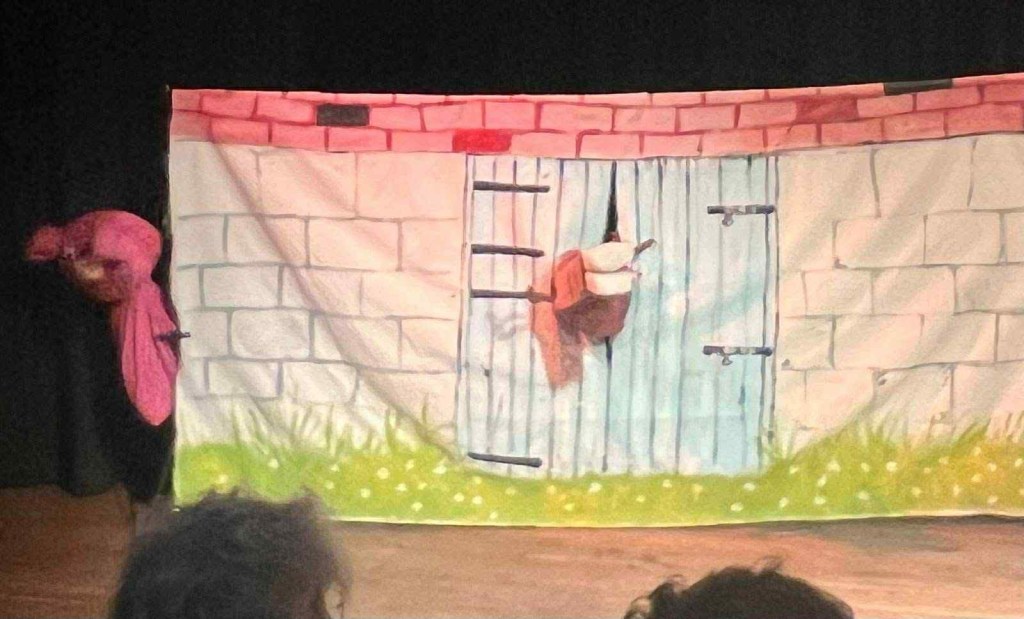
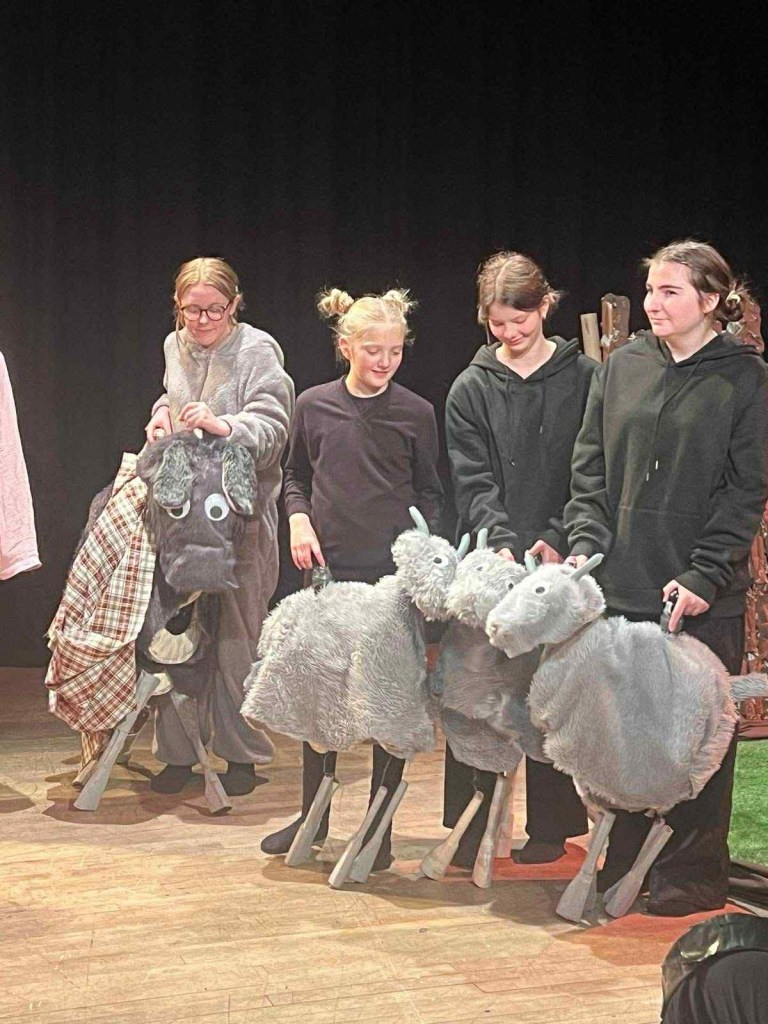
The puppets were a particular triumph. Before long, one ceased to see fabric and framework and began instead to see fully realised characters. Puppetry is a demanding skill; many adult performers would find it challenging. Here, it was handled with confidence, precision and charm.
The lighting added atmosphere without ever overwhelming the young cast, subtly enhancing the storytelling and mood.
Perhaps the most striking element of this production was the creative ownership taken by the young people. The songs, sets, puppets, costumes, lighting and staging were all crafted by the children themselves. This was not simply a case of adults stepping back; rather, it was a deliberate and generous act of mentorship. Under the guidance of director Mish Whitmore, the company were given responsibility and trust. That trust has clearly borne fruit.
The educational touches such as counting stepping stones, inviting audience participation, and encouraging children (and grown-ups) to help the heroes and boo the villain, were woven in with care. The pantomime elements were pitched just right. There was laughter, there was suspense, and there was a genuine sense of cross-generational support within the company. Seeing teenagers support nine and ten-year-olds on stage is enough to restore one’s faith in the next generation.
While I may not be the specific target audience for this charming tale of goats and wolves, I know enough about theatre to recognise hard work, discipline and remarkable potential when I see it. Raw Theatre is cultivating something special. They are not simply staging productions; they are equipping young people with the tools to create, collaborate, problem-solve and stand confidently before an audience.
If this is the standard being set in these early seasons of their artistic harvest, then the future looks very bright indeed. One might even say the company is outstanding in its field (!) and that field is well worth watching.
Cast and Creative Team
Tess Crockford, 11 – Billy; co-writer of the Billy & Milly separation song
Arina Fedorenko, 11 – Horse; Nanny; co-writer of the star song; member of the band
Lucia Early, 9 – Sheep
Lyra Penman, 11 – Dilly; co-writer of the separation song
Dominic Craggs, 14 – Wolf; co-writer of the Billy & Milly song
Charlie Murphy, 10 – Barkley
Anna South, 16 – Ambrosia
Holly Hedges, 16 – Gabriel
Harry Carlisle, 18 – Norman Beetroot; co-writer of the Billy & Milly song
Tabatha Steele, 11 – Milly; co-writer of the separation song
Kobi King, 10 – Sheep
Seren Coughi, 11 – Pig/Basil; co-writer of the star song; pianist for the star song
Christopher Armagan, 11 – Writer of Wolf with a Golden Voice
Maisie Pardie, 17 – Queenie Beetroot; marketing
Jess Rockhill, 16 – Co-writer of Magnolia Farm; set and props; puppet design and construction; member of the band
Immy Netherway, 16 – Co-writer of Magnolia Farm; member of the band
Zak Baxter, 22 – Member of the band
Freddie Hollis, 15 – Lighting design and execution
Reef Whitmore, 15 – Lighting design and execution
 IWtheatre